Effective Troubleshooting
Patience is often required when troubleshooting a refrigeration system. It is important for a technician to take his time when troubleshooting a system and not rush to a quick diagnosis.
A good practice I have used when troubleshooting is to leave my tools in my service vehicle upon arriving at a call and walk onto the job with only a good quality flashlight in hand. I spend some time speaking to the customer, visually inspecting the equipment and evaluating the potential causes.
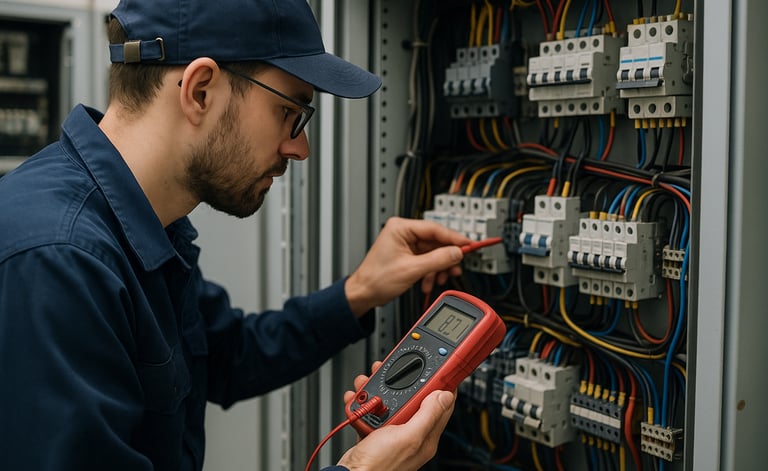
Spending time with the customer asking pertinent questions aids in troubleshoot the system. Some helpful questions are:
How old is the unit?
When was the last time it was repaired and what was done?
Has the unit been working okay up until the time of the break down?
Have you noticed any strange sounds or erratic operation lately?
Your customer’s answers to these types of questions can give you important information you may not find during your initial inspection.
For example, if refrigerant was added to the system a short time ago and no leak was found or repaired, then it is likely that the refrigerant has leaked out again and that is the current problem with the system.
Another example: During the last day or two the unit seemed to be running all the time, some items in the cooler were frozen and the temperature in the cooler rose. This could be the result of a defective thermostat that caused the evaporator to freeze up.
Visually inspecting the equipment is also an important part of the troubleshooting process. During my initial visual inspection I try to determine:
· type of metering device used;
· type of refrigerant in the system;
· condition of the evaporator and condenser coils;
· required supply voltage; and
· overall condition of the equipment.
Knowing this information greatly helps in the troubleshooting process.
A crucial part of the initial inspection is the examination of the evaporator and condenser coils. An iced up evaporator coil and dirty condenser coil are two common problems that can easily be identified during a visual inspection. The cause may not also be apparent but the symptom is easy to discover.
Knowing the type of refrigerant used in the system helps to determine the correct operating pressure when it comes time to install a set of service gauges onto the system and read its working pressures. Knowing the correct supply voltage included if it is a single or three-phase system, will also help later on when it comes time to measure the supply voltage.
Another part of my visual inspection is to look for any oily pipes or parts. This is usually a good indication of a refrigerant leak. I also feel the head of the compressor to see if it is cold, warm or hot. This helps determine if the compressor is the cause of the problem. For example if the compressor is extremely hot and not running, it may be off on an overload, you may want to start troubleshooting there as to find out why this has happened.
Taking time to visually inspecting all of the major components of a system takes a little extra time, but it is time well spent and necessary to efficiently troubleshoot any refrigeration system.
At Coldtronics, we are dedicated to advancing the standards of how technicians repair and maintain equipment. We recognize that monitoring can be an essential tool in find the root cause of system issues. Our mission is to provide industry-leading professionals with the unique diagnostic tools and real-time alerts to aid in the troubleshooting process.
Our Commitment to the HVAC/R Industry
About Us