Final Checks on a Service Call
While wrapping up a service call there are several items a technician should check before leaving the job. Though it may be easy to overlook some of these items, taking the time to complete them can pay off in the long run. This not only creates a professional image with customer, but also may save the service technician a return trip back to the job at a later time.
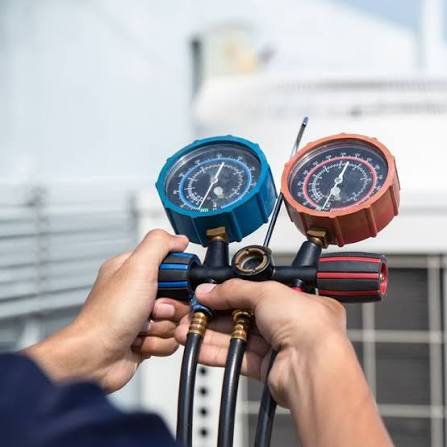
Always Check for refrigerant leaks on any service valves where service gauges were installed. Many times the packing around older service valves leaks. If left unchecked, the refrigerant will leak out and the service technician will be called out again to repair the problem. It’s very easy for a technician to overlook this item. Many times the last thing a technician will do is remove their gauges; and since they already repaired the fault, they may not be looking for this potential problem. This is also true with Schrader valves.
The packing around their cores can also leak and must be checked before leaving the job.
It is also a very good practice to replace any caps removed or missing during a service call, including those used to cover any service valve stems or access ports. These caps can help prevent a refrigerant leak at the stem or port as well as keep them in good condition. Exposed stems or ports could rust and would then not be operable in the future.
· Always replace any access panels and all the screws removed during service. There are many systems where several panels may need to be removed during service. A technician should always replace all access panels and all of the screws when completed. It’s the mark of a careless technician to fail to do this.
Always leave your work area clean. This includes removing all defective parts, empty refrigerant cylinders, old filters and other debris from the work area. It is truly unprofessional to leave a work site with old parts scattered around, and it also presents a safety hazard for future technicians. If during the repair procedure any items such as furniture or cabinets were moved to gain access to the system, make sure they are returned to their original position.
When working with replacement refrigerants, be sure to mark the system with the new refrigerant and oil type. This will become important for future service or maintenance. If left unmarked, the next technician on the job will not know what type of refrigerant or oil is in the system or, even worse, assume the original refrigerant is still in the system.
Verify that the temperature control is properly set and, if possible, make sure the system cycles off on temperature. This may not always be practical but should be done where possible, and could help prevent a return service call for a defective temperature control or a cooler that is either too cold or warm.
Completing these items on every service call may take a little extra time, but it will increase the professional image of both the service technician and the service company. And equally important, it will also reduce return calls back to the same system, thus keeping the customer happy.
At Coldtronics, we are dedicated to advancing the standards of how technicians repair and maintain equipment. We recognize that monitoring can be an essential tool in find the root cause of system issues. Our mission is to provide industry-leading professionals with the unique diagnostic tools and real-time alerts to aid in the troubleshooting process.
Our Commitment to the HVAC/R Industry
About Us